
Lifting regulations
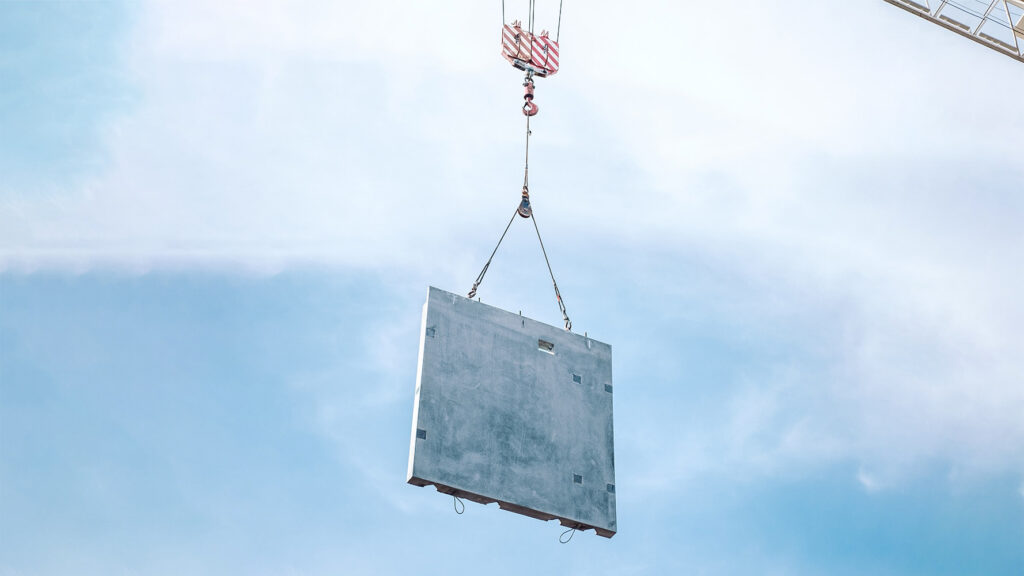
Lifting operations are fundamental across numerous sectors and industries. They play a crucial role in lifting and moving heavy loads. At the same time, they involve significant risks, and the potential for workplace accidents is high. Employees who perform lifting operations carry out a safety-critical function and bear a considerable responsibility. In this blog post, we take a closer look at the key legislation and regulations governing lifting operations and provide practical tips to help ensure, maintain, and continuously improve workplace safety.
Table of contents
Thorough preparation is essential. This means paying attention not only to the technical condition of lifting equipment, but also to the physical and mental readiness of employees. Fatigue, stress, or a lack of experience can significantly increase the risk of errors. In addition, every lifting operation should have a clearly defined division of tasks, ensuring that everyone understands their responsibilities. The use of modern technologies, such as sensors and remote-control systems, can also contribute to safer working conditions.
Legislation and guidelines
What are the safety risks associated with lifting operations?
Falling loads, falls from height, incorrect operation of lifting equipment, defective lifting equipment and materials, obstacles in the workplace (unsafe working environment), unexpected weather conditions, electrical hazards, excessive noise and vibration, loss of visual control of the load, and other factors that may compromise safety during lifting operations.
Another frequently underestimated risk is failing to accurately assess the weight and centre of gravity of the load. Miscalculations can lead to instability during lifting operations, potentially resulting in serious incidents. External factors, such as changing weather conditions, including strong winds, rain, or snow, can also have a direct impact on the stability of both the load and the lifting equipment. It is therefore important to check weather forecasts in advance and, where necessary, postpone lifting activities to ensure safe working conditions.
Safety tips for lifting operations
- Training and education: ensure that employees receive the appropriate training and information to perform lifting operations safely and competently.
- Inspection of lifting equipment and materials: carry out inspections at regular intervals and ensure effective follow-up of inspection results and certification requirements.
- Clear communication: ensure effective communication between all parties involved so that information is exchanged accurately and efficiently.
- Use of fall protection and PPE: inspected and in order
- Risk assessment: conduct a risk assessment to identify potential hazards and determine the appropriate control measures to protect employees from asbestos exposure.
- Compliance with legislation
In summary
The legislation governing lifting operations is complex, but it is crucial for ensuring a safe working environment. By staying informed about current regulations and applying industry best practices, companies can not only prevent accidents but also enhance operational efficiency and achieve higher performance standards.
In addition, a robust safety policy contributes to a positive company culture. Employees feel safer and more valued, resulting in greater engagement and lower staff turnover. Regular safety meetings, feedback sessions, and the active involvement of employees in the development of procedures are essential in this regard. Working safely is not a one-time action but a continuous process of improvement, monitoring, and adaptation.
For more information or specific questions, please do not hesitate to contact our team. You can also visit our page for the appropriate training course: Slinging Loads and Signalling Loads.
Looking for clarity?
Prevom has the expertise you are looking for.
We would be pleased to inform you about the available options!